
Iconographies




Provenance
Institution data
| Institution field | Value |
|---|---|
idno object id | 2016.1 |
local edo designation | |
Physical description/0 description | |
Physical description/1 description | |
Physical description/2 description | |
Physical description/3 description | |
Physical description/4 description | |
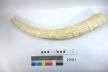
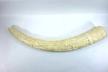
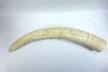
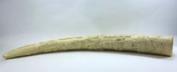
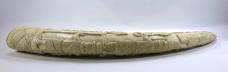
d_Description Name description | Carved elephant tusk decorated with figures in regalia related to the court of Benin. The bottom edge is carved with a decorative interlaced border. |
height dimensions | 570 mm |
length dimensions | 73 mm |
width dimensions | 60 mm |
weight weight | |
Inscription inscriptions | |
Labels - Markings/0 inscriptions | |
Labels - Markings/1 inscriptions | |
Labels - Markings/2 inscriptions | |
Labels - Markings/3 inscriptions | |
Labels - Markings/4 inscriptions | |
Labels - Markings/5 inscriptions | |
period date made | |
maker producer | |
d_Place production place | Africa; West Africa; Nigeria; Edo State; Benin City |
Other owners prior source | |
source prior source | Weeks, George Kearley [collector]; Morgan, Daniel [donor] |
Collection or Excavation Year date collected | |
culture group ethnic attribution | Edo |
source date accession date | 25/07/2012 |
Amendments - updates/0 notes | |
Amendments - updates/1 notes | |
Amendments - updates/2 notes | |
Amendments - updates/3 notes | |
Amendments - updates/4 notes | |
Exhibition/0 exhibition history | |
Exhibition/1 exhibition history | |
Reference Numbers bibliography | 2016.1 |
References/0 bibliography | |
References/0 2 bibliography | |
References/1 bibliography | |
Related Documents/0 bibliography | |
Related Documents/1 bibliography | |
Related Documents/2 bibliography | |
Related Documents/3 bibliography | |
Related Documents/4 bibliography | |
Related Documents/5 bibliography | |
Related Documents/6 bibliography | |
Acquisition Details/0 | |
Acquisition Details/1 | |
Acquisition Details/2 | |
Analysis/0 | |
Analysis/1 | |
Archaeology | |
Auction - Sale/0 | |
Auction - Sale/1 | |
CMS Context/0 | Part of the George Kearly Weeks Collection acquired during his time in Nigeria, 1908-1932. Offered to MAA by Daniel Morgan, G.K. Weeks’ grandson, as a donation. A quantity of glass half plate negatives, dating from before the First World War, which show people buildings, markets, some graves, puppet shows etc, several objects and archival material has been offered to MAA. Five vinyl albums of Nigerian music and a catalogue were subsequently World Oral Literature Project, as more suitable to their collections. The five 78rpm records were recorded by the German Odeon label, probably in the late 20s. They include canoe songs, an Ekpo society song etc.[These collections are now held by MAA] The donor’s maternal grandparents, George and Ellen Weeks went to Nigeria originally as missionaries with the Qua Ibo Mission (based in Northern Ireland). The documentation and many objects from that Mission are now in the collections of the Ulster Museum After the First World War, the Weeks returned to the same area of Nigeria, as both of them could speak Efik [noted by donor as Efface, and incorrectly noted the language of the Ibibio]. George ran a mobile cinema show, but being basically a carpenter by trade, eventually formed the first transport company in Nigeria: ‘Weeks Transport’, fulfilling government contracts, whilst building churches and the buildings. He opened a transport depot in Benin City, which entailed him having an audience with Oba Eweka II - who features on some of the film footage, supplied to the Museum. By 1932, when they returned to the UK, Weeks was an unofficial member of the Legislative Council of Nigeria. |
CMS Description | Ivory elephant tusk. The convex side is carved with three human figures in Benin dress stacked on top of each other, each holding a staff. The carvings on the concave side from bottom to top consist of a human in Benin dress, 2 aligned anthropomorphic figures, and unidentified ?animal and two animals which appear to be leopards or similar. A decorated band of carved plait motif runs along the base of the tusk. |
Catalogue | |
Display/0 | |
Display/1 | |
Display/2 | |
Display/3 | |
Field_collection/0 | |
Field_collection/1 | |
Found_together - assemblage | |
Freezing | |
Online Only | |
Other/0 | |
Other/1 | |
Production - use | |
Remedial/0 | |
Remedial/1 | |
Surface Clean | |
unknown |
Digital Benin collates digital material from institutions, and some of this material is inherently colonial and contains words, terms and phrases that are inaccurate, derogatory and harmful towards African and African diasporic communities. Catalogue transcriptions, book titles, exhibition titles and museum titles may contain harmful terms. We recognise the potential for the material to cause physical and mental distress as well as evoke strong emotions. Owing to the scale of the collection’s data, a process to implement sensitive-content warnings in the displayed data is still incomplete. The material within the catalogue does not represent Digital Benin’s views. Digital Benin maintains a strong anti-colonial, anti-racist position and affirms its support for centring the humanity of historically marginalised and disenfranchised communities. Read more about the background of this statement here