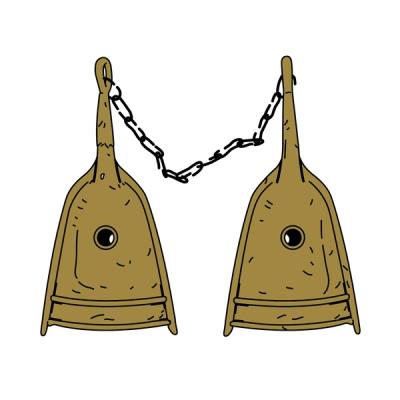
Ẹgogo
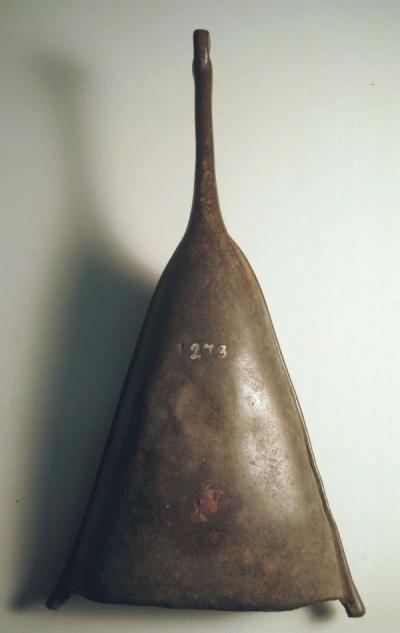
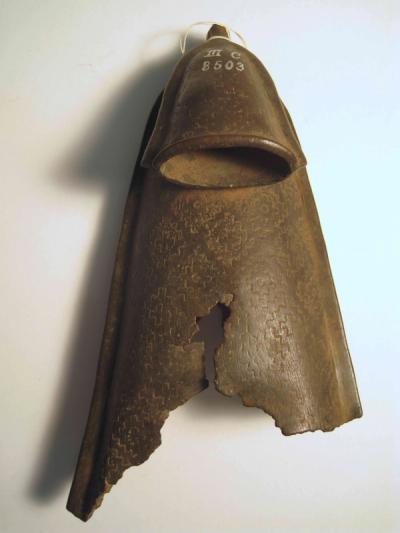
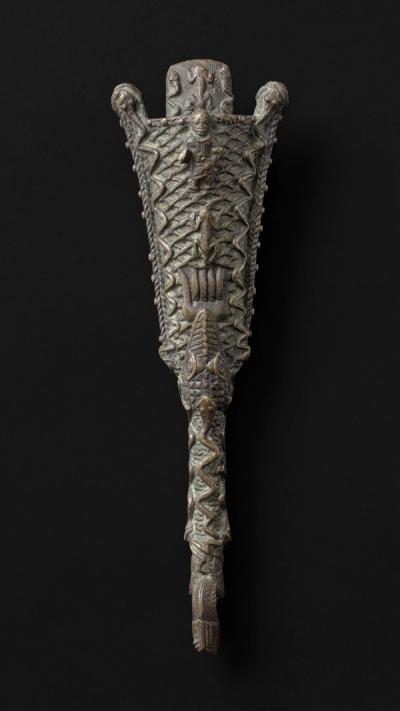
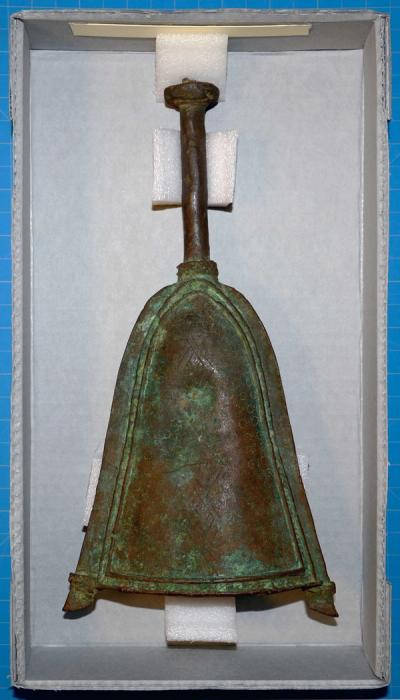
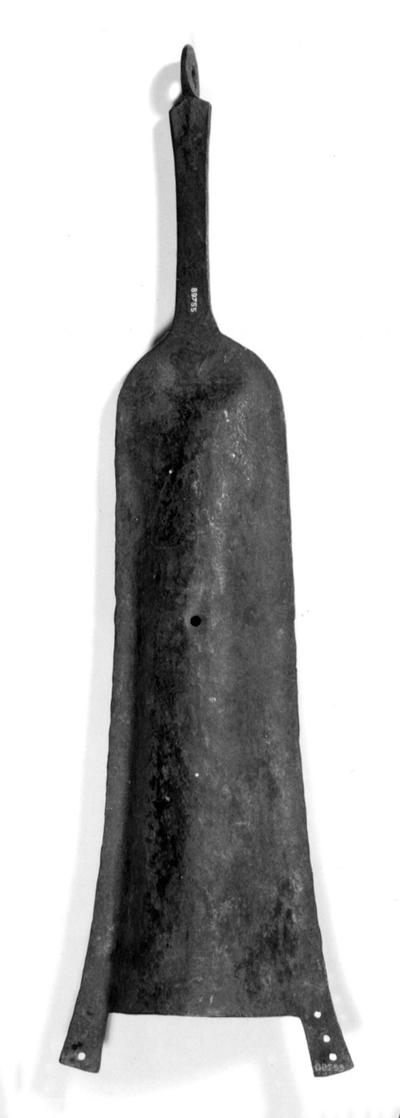
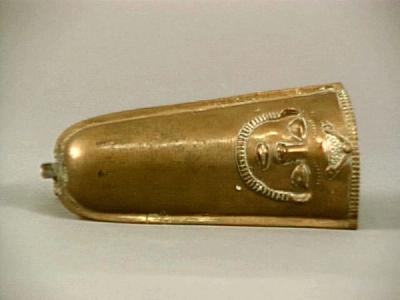
Ẹgogo (gongs) are used to summon attendees to a meeting or draw attention to important public announcements. They are often used by Avbiogbẹ (information officers).
Ẹgogo were made, and continue to be made, from iron, brass and ivory. Single gongs have one large resonating cup, whereas double gongs (Ẹgogonagbeva) have a second smaller one attached to the front. When struck with a striker, the two cups produce different intonations. As with many Benin artworks, the material used to make an object reflects who may have used it. Ẹgogo made from ivory would have been the preserve of royalty, whereas iron gongs were most likely used in villages around the kingdom (Ben-Amos, 1995 ).


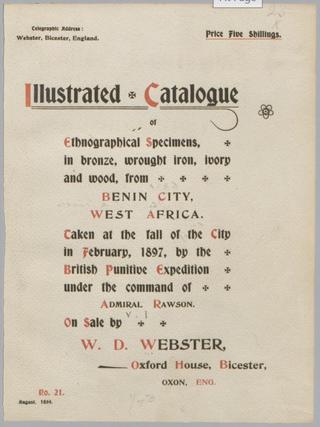
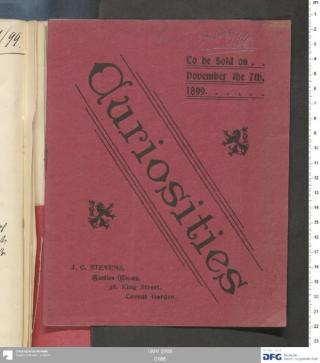
Educational Material
Digital Benin collates digital material from institutions, and some of this material is inherently colonial and contains words, terms and phrases that are inaccurate, derogatory and harmful towards African and African diasporic communities. Catalogue transcriptions, book titles, exhibition titles and museum titles may contain harmful terms. We recognise the potential for the material to cause physical and mental distress as well as evoke strong emotions. Owing to the scale of the collection’s data, a process to implement sensitive-content warnings in the displayed data is still incomplete. The material within the catalogue does not represent Digital Benin’s views. Digital Benin maintains a strong anti-colonial, anti-racist position and affirms its support for centring the humanity of historically marginalised and disenfranchised communities. Read more about the background of this statement here