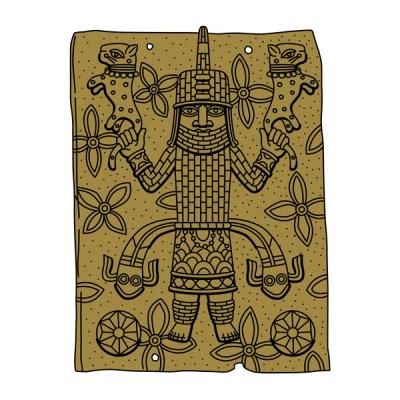
Ama-Ẹrọnmwọn
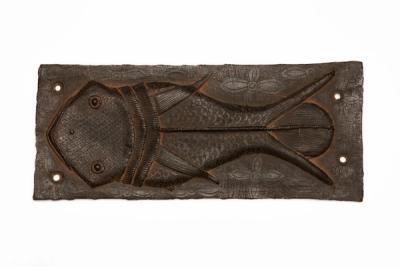
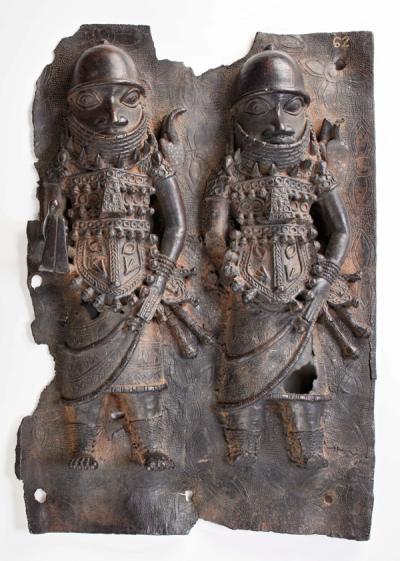
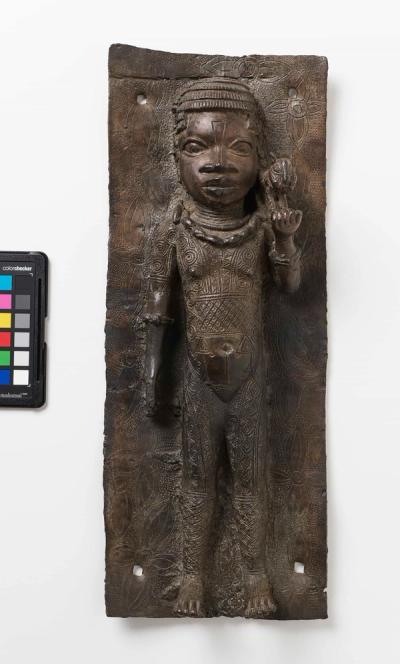
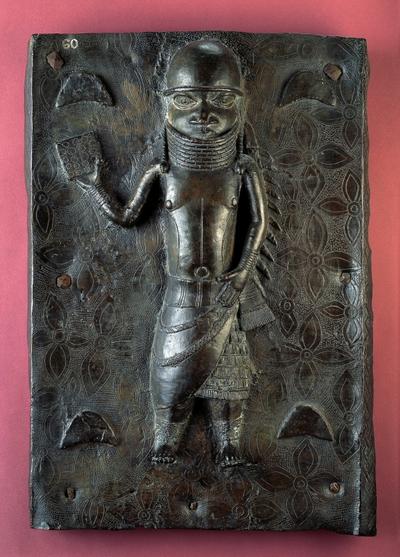
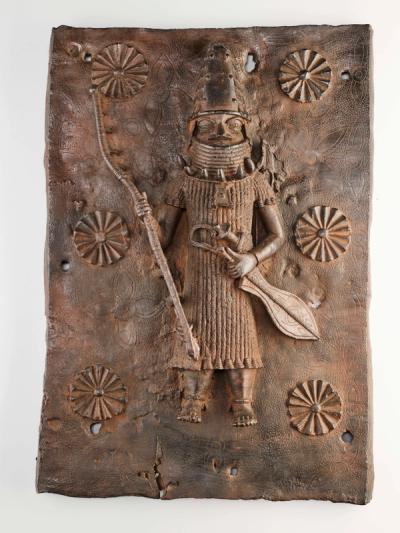
According to Ọbazee (2025, p. 25), Ama refers to identification marks, symbols, pictures, and designs. Ama had a mnemonic purpose, aiding the recall of the events or persons represented in the artwork. Benin oral traditions are popularly transmitted in the form of commemorative festivals, stories, plays, songs, poems, riddles, proverbs, and other forms of oral literature. Ben-Amos ( ) observed the existence of more than nine hundred known plaques, which provide a testimony to court life, were “records of events in the absence of photography” (Omo N’Oba Erediauwa 2007, p.13) and aided the memorising of oral tradition.
European historical accounts and Edo oral tradition alike describe how the Ama-Ẹrọnmwọn decorated the walls and pillars of the impluvium in the Benin royal palace as monumental architectural elements. By 1897, when British forces captured, looted, and burned the royal palace, the Ama (Eronmwon) were no longer on display but had been placed in storage within the palace. Gunsch's ( ) most recent survey indicates that there are at least 850 plaques in collections worldwide. Exactly when the plaques were made remains a matter of debate. Some scholars have argued that they were cast over a period of around 150 years, from the mid-sixteenth to the end of the seventeenth century ( ; ). Others have attributed their manufacture to a much narrower period of around fifty years, from the end of the fifteenth to the mid-sixteenth century, commissioned by Ọba Esigie (who reigned c. 1516/17–1550s) and subsequently by his son, Ọba Orhogbua (c. 1550–1578) ( ). Regardless of the precise chronology, the Ama-Ẹrọnmwọn were cast during a period of increasing regional power and the expansion of the Benin Kingdom.
"Ẹrọnmwọn" has been added to distinguish those Ama made of bronze or brass that served the specific purpose of decorating the impluvium of the royal palace.
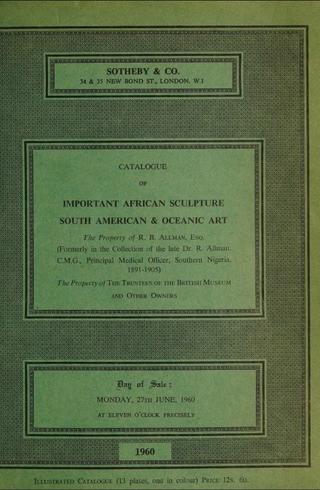
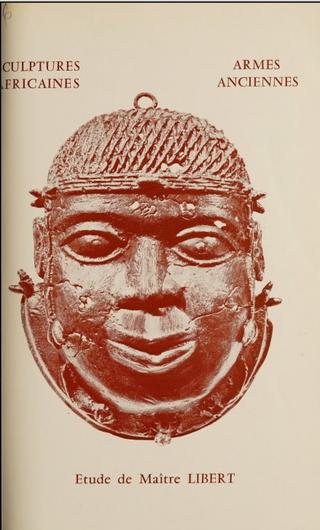
Educational Material
Digital Benin collates digital material from institutions, and some of this material is inherently colonial and contains words, terms and phrases that are inaccurate, derogatory and harmful towards African and African diasporic communities. Catalogue transcriptions, book titles, exhibition titles and museum titles may contain harmful terms. We recognise the potential for the material to cause physical and mental distress as well as evoke strong emotions. Owing to the scale of the collection’s data, a process to implement sensitive-content warnings in the displayed data is still incomplete. The material within the catalogue does not represent Digital Benin’s views. Digital Benin maintains a strong anti-colonial, anti-racist position and affirms its support for centring the humanity of historically marginalised and disenfranchised communities. Read more about the background of this statement here